
Overview
Voltrine is a two-player duel card game focused on hidden information, positioning, and political intrigue.
Objective
Win the game by eliminating your opponent's protagonists or forcing their downfall through conspiracies and strategic play.
Game Material
Card Hierarchy
Each number defeats only the number directly below it. A card does not defeat lower numbers beyond the immediate one.
 15
15
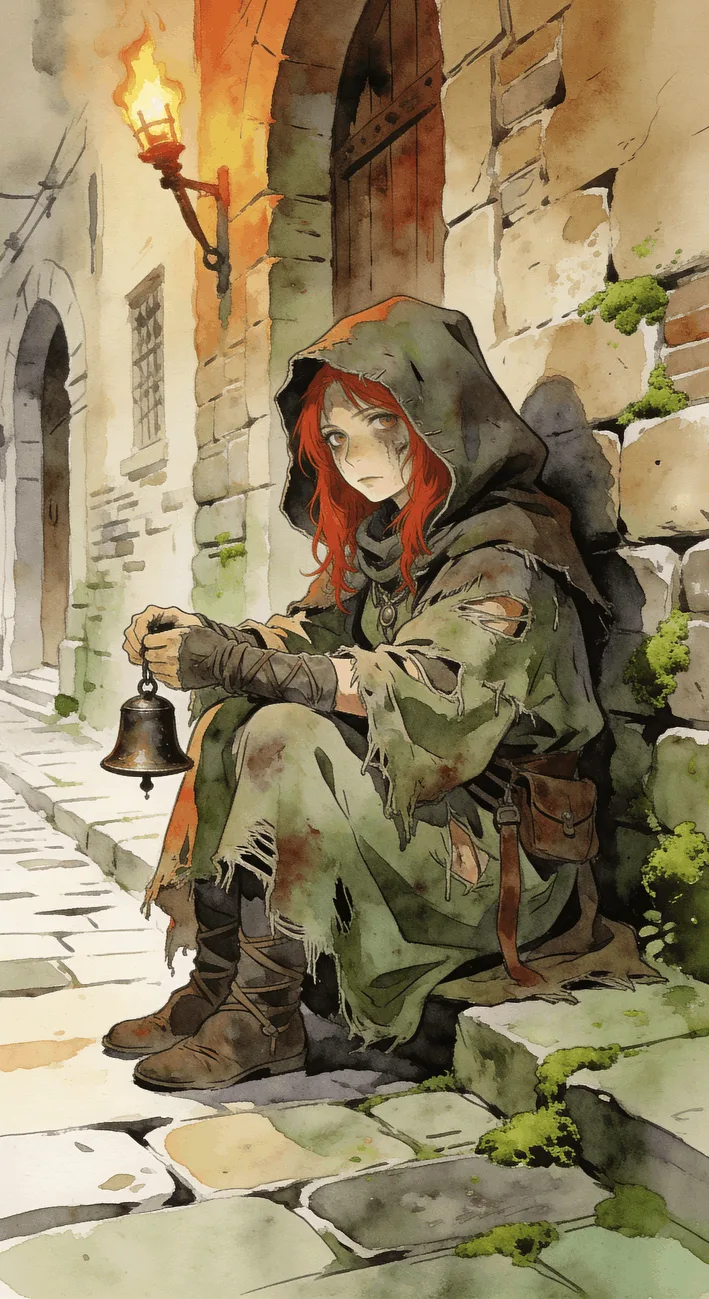 14
14
 13
13
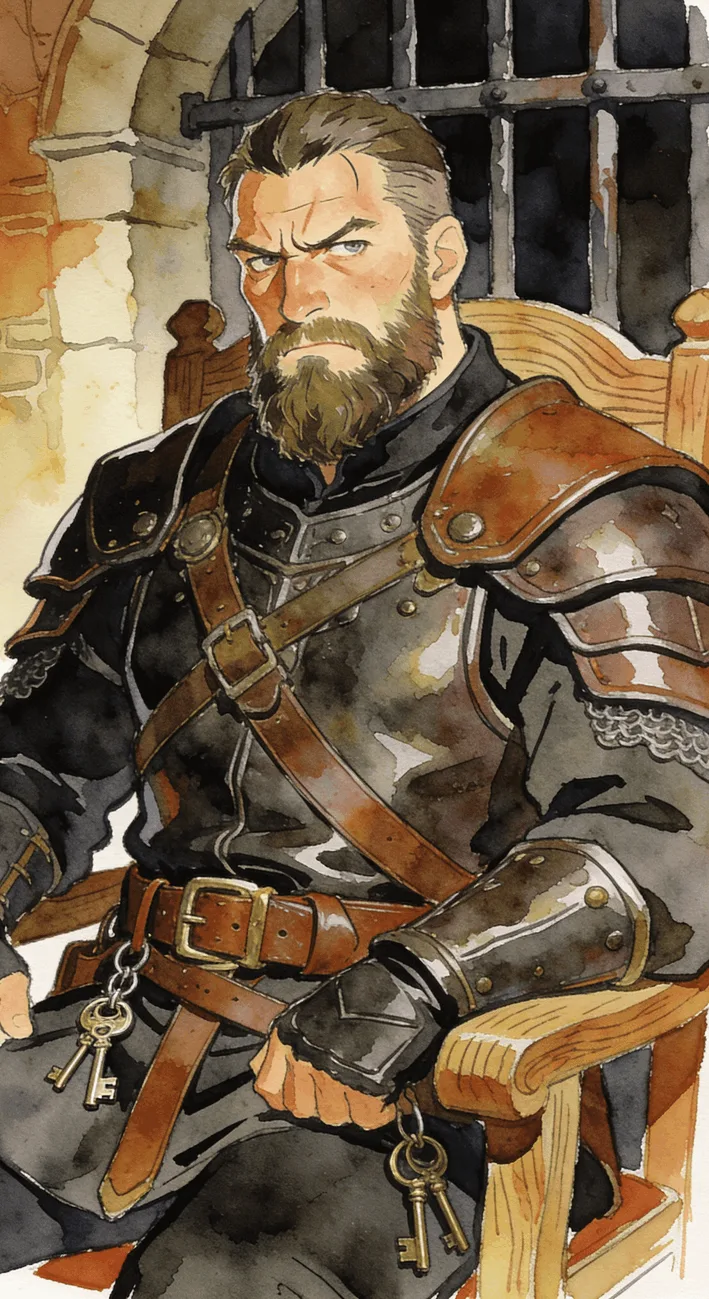 2
2
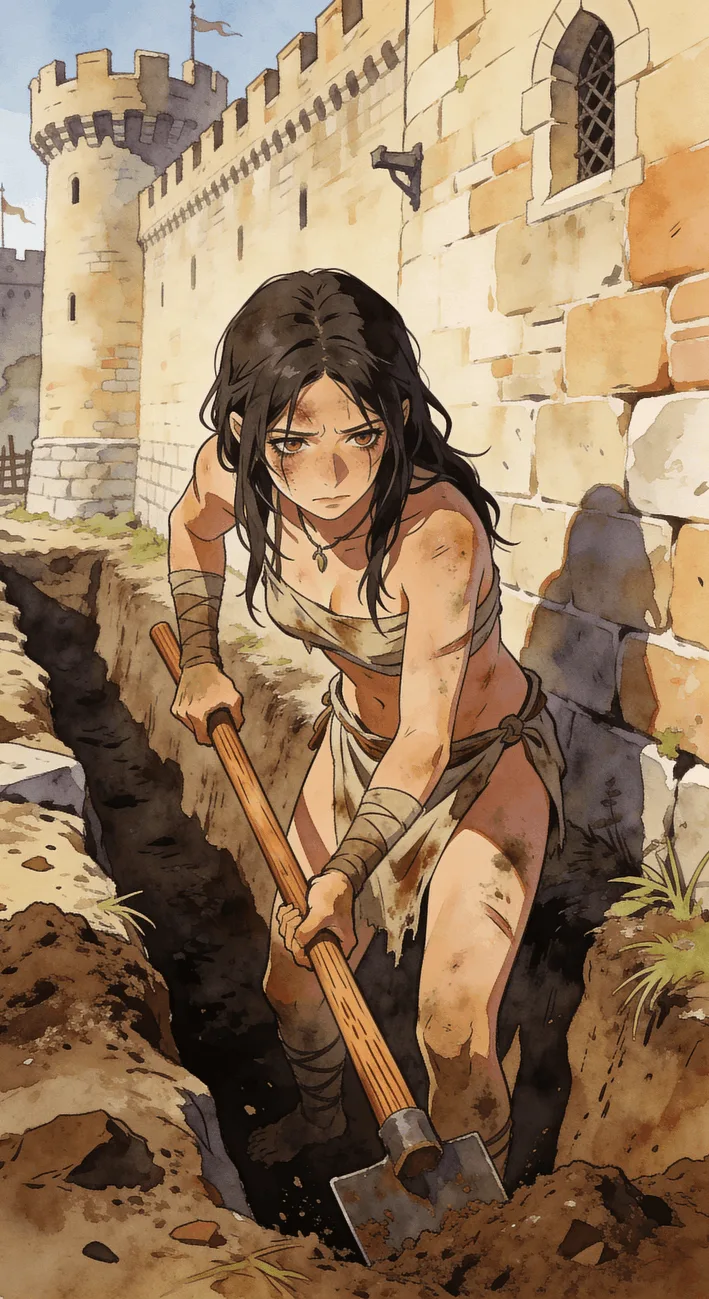 1
1
 15
15
1 defeats 15, creating a cyclic dominance where no card is truly supreme.
Play Areas
Each player has three personal zones, plus a shared zone. Each personal zone can contain a maximum of 3 cards.
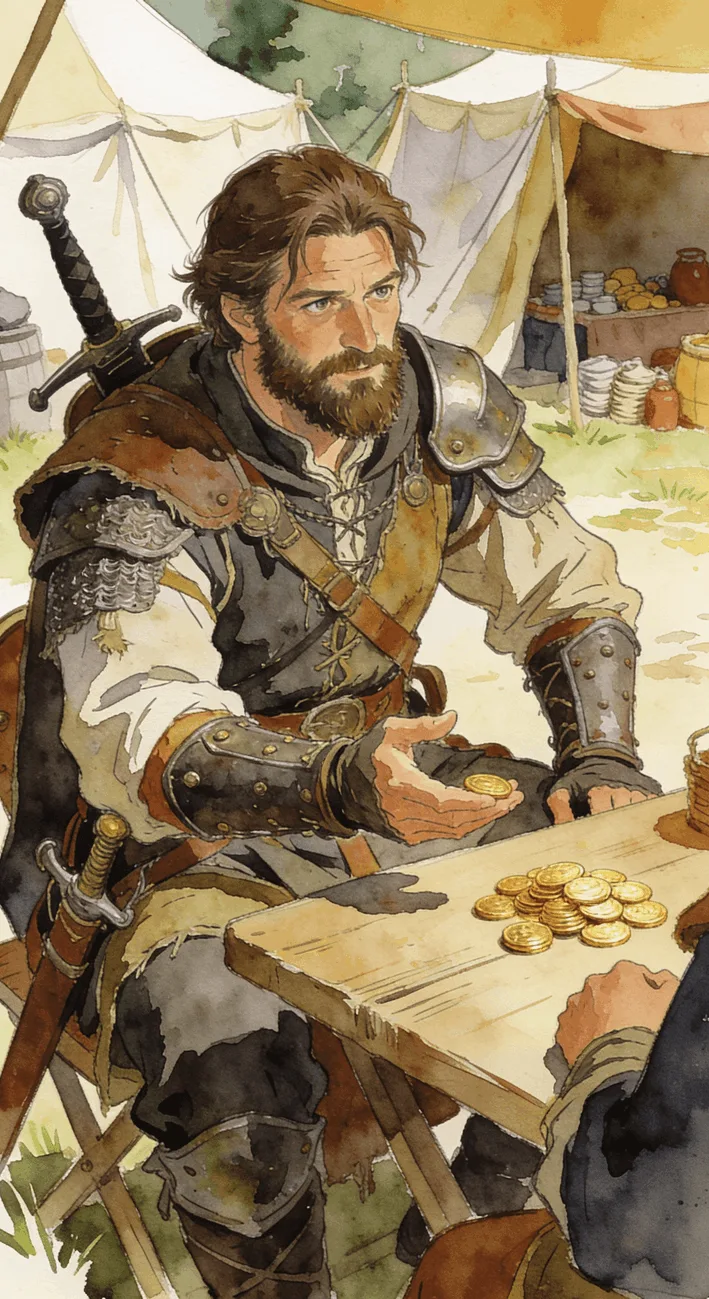
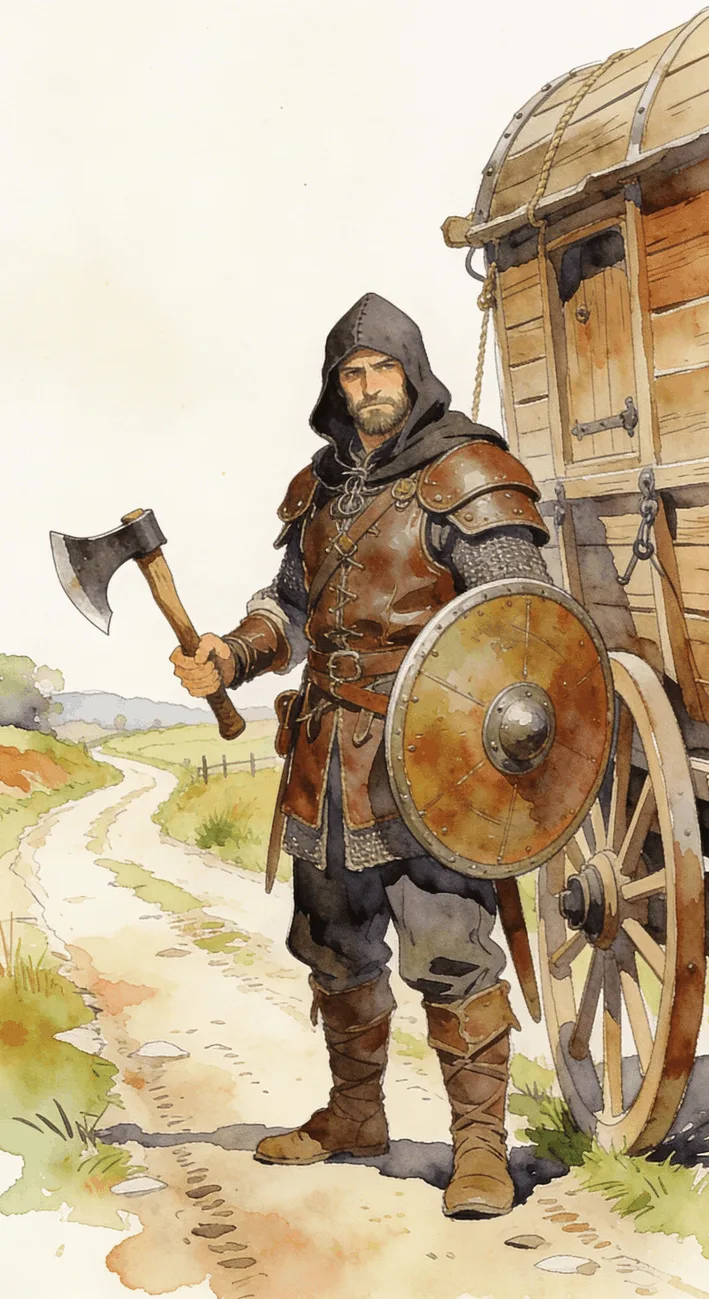
Protagonists
They represent you and can be promoted to Hero. They are the guarantors of your decrees.
Max 3 cards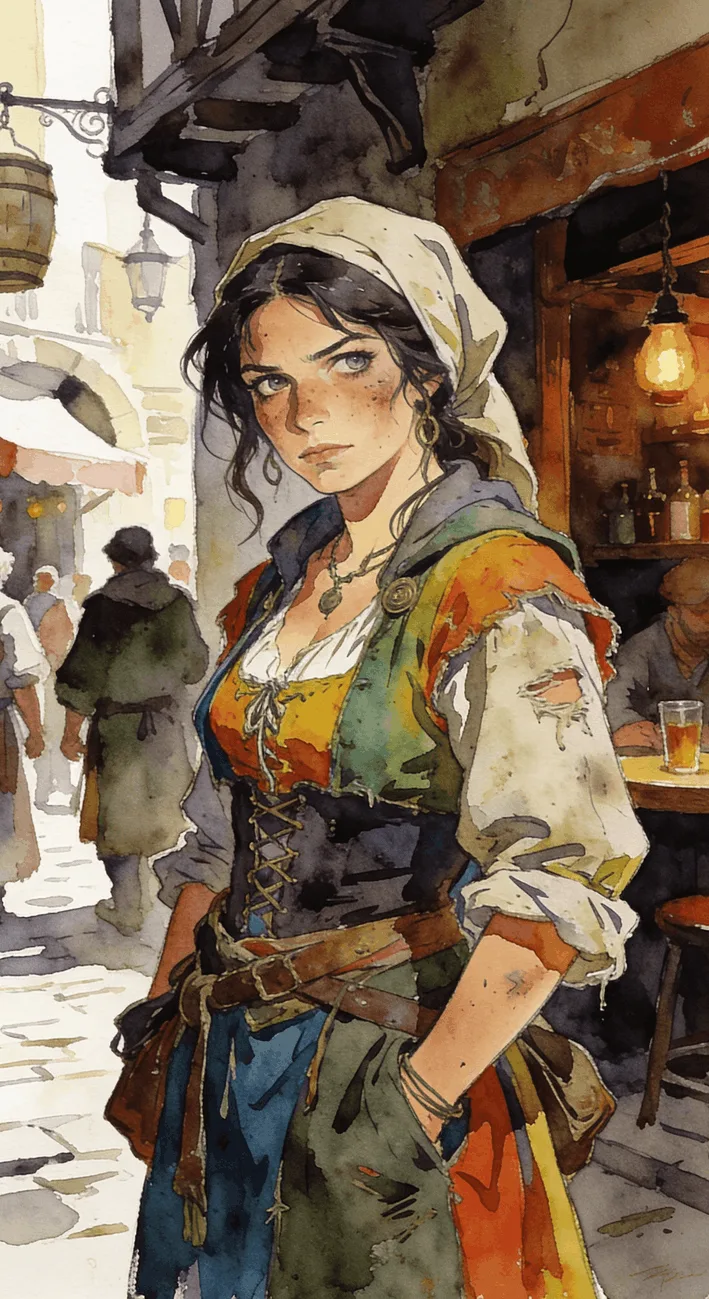
Protectors
They defend your Protagonists from direct attacks.
Max 3 cards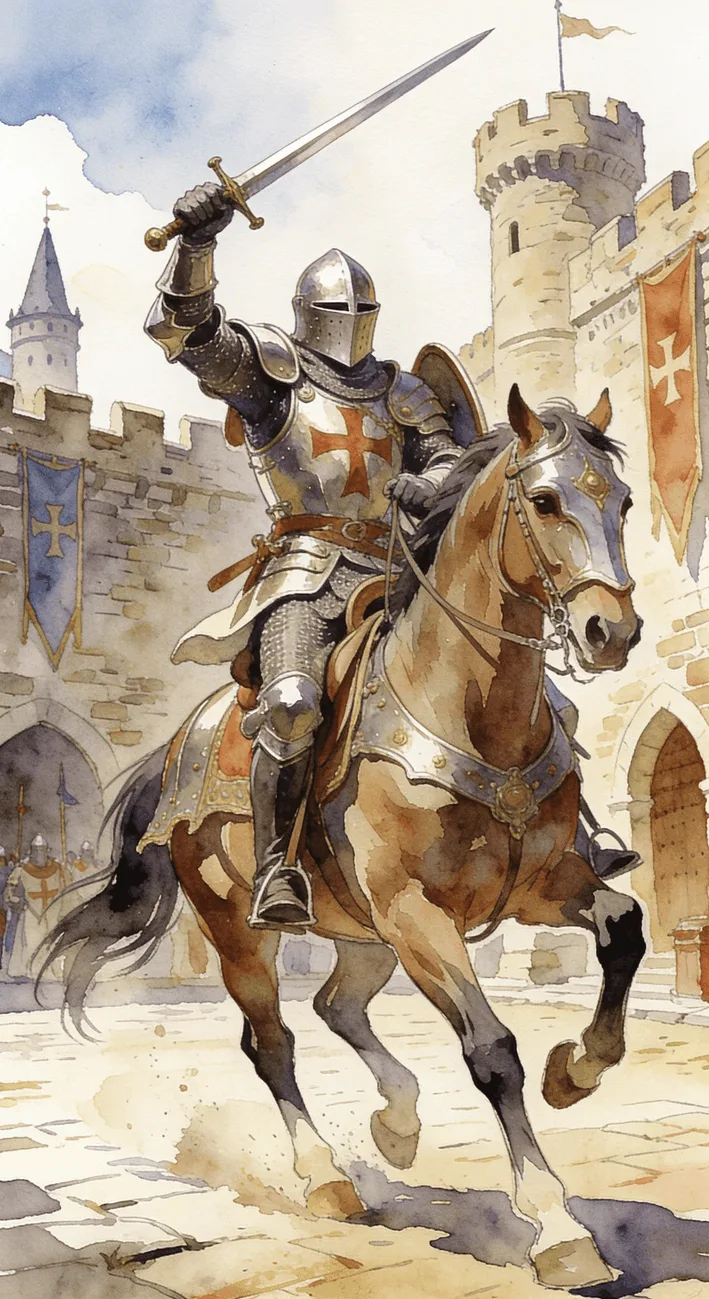

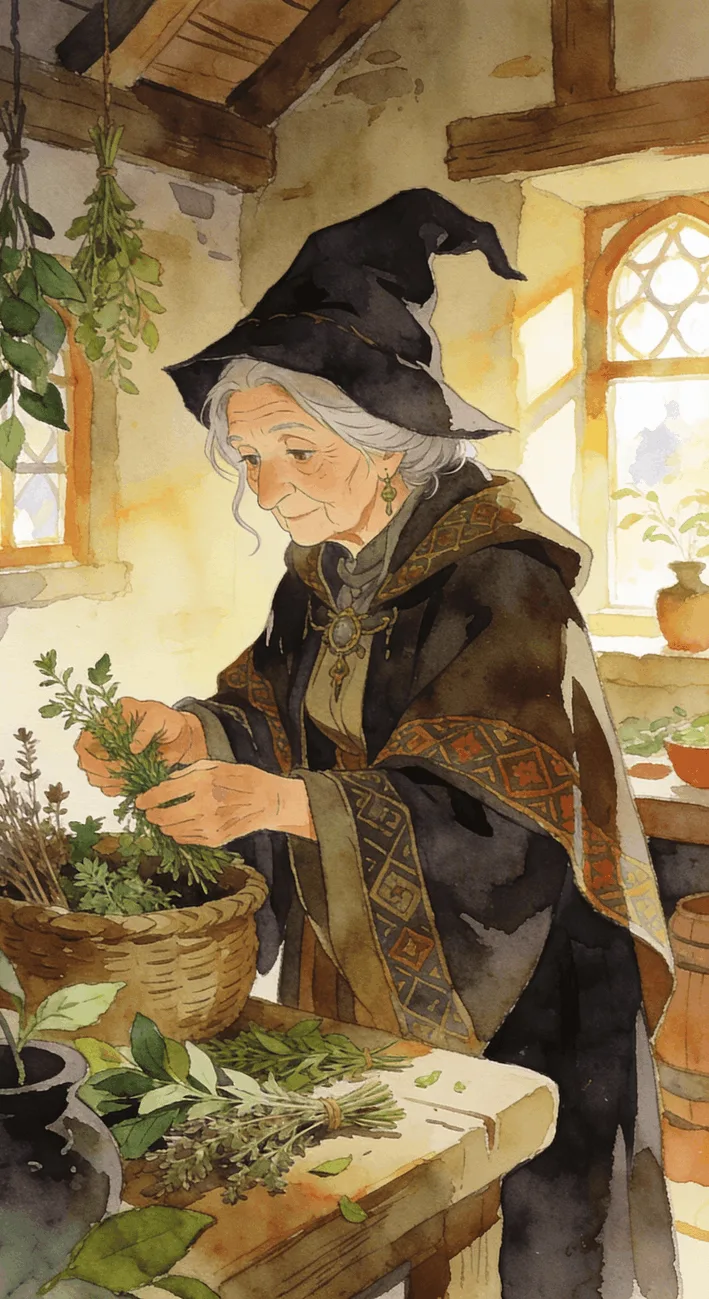
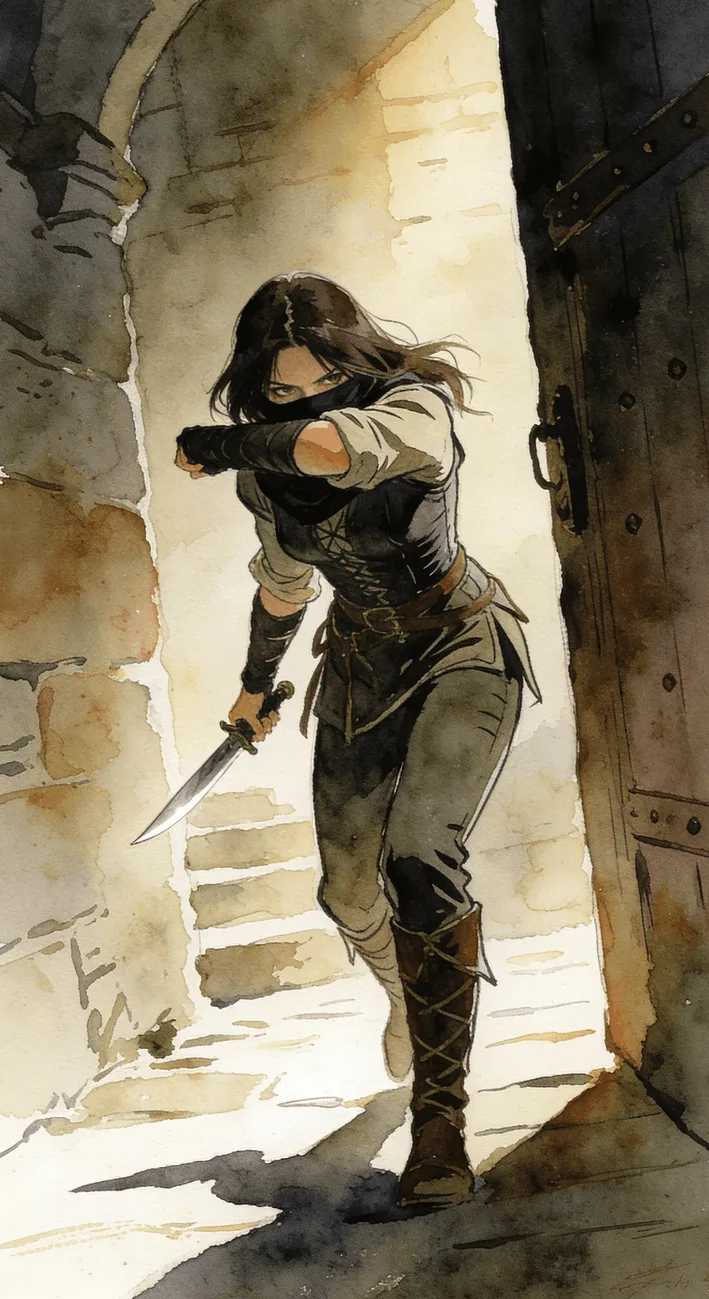
Conspirators
They reveal the opponent's cards and build up their arsenal to launch the offensive.
Max 3 cardsThe Gardens
A shared discard area where strategic placement can earn bonus actions.
 7
7
 3
3
 7
7
 8
8
 9
9
Adjacent same-number cards form a pair: a free bonus action.
Every card is neutral by nature: in your hand, in the gardens, or in the pile, it has no role. It acquires its role (Protagonist, Protector, or Conspirator) from the zone where you play it, and can change roles over the course of the game.
Hand Limit
At the end of your turn, if you have more than 3 cards in hand, you must discard down to exactly 3. Discarded cards go to The Gardens.
Actions
Base Action
Each player may perform 1 action per turn.
- Each action type can only be used once per turn
- Spend bonus actions to perform additional actions
Bonus Actions
Each player starts with 3 bonus actions.
- Capped at 3 total
- Not regenerated each turn
- Regained through The Gardens or overthrowing opponents
Available Actions
Draw
Draw 3 cards from the deck.
Place
Place 1 to 3 cards into your zones (Protagonists, Protectors, or Conspirators).
Redeploy
Transfer 1 to 3 cards from Protectors, Conspirators, or Gardens to any zone except Protagonists. Swap cards if destination is full.
Reorder
Flip hand, protagonists, and conspirators face down, then reorder protagonists freely.
Launch Conspiracy
Initiate a conspiracy phase using your conspirators.
Conspiracy Phase
A conspiracy unfolds in three phases: declare, react, resolve.
-
1
1. Declare
The active player spends their base action to launch a conspiracy, putting their conspirators into play.
-
2
2. Opponent reacts
The opponent may react by spending a bonus action: place cards, redeploy, reorder, or invoke the Peace Treaty decree.
-
3
3. Resolve
The attacker spends their conspirators one by one, choosing an action from the list below for each.
Available resolve actions
Revealing the hand or the conspirators grants +1 reveal token if at least one hidden card is uncovered. You may then swap a card from your hand with one of the revealed cards. The opponent has no say in the exchange.
Assassination spends all three of your conspirators at once to eliminate a face-up protagonist or protector, with no combat at all. A protagonist shielded by a protector stays out of reach. If the defender's hero dominates one of the three conspirators, it may block the strike: the target survives, but the three conspirators are lost all the same.
Craft & Gear
Instead of one-shot boosts, a conspiracy lets you craft persistent gear. Crafting consumes one conspirator and stores a piece in your reserve (up to 3 pieces at once); you then equip it onto a conspirator for free. Gear is always visible to the opponent.
Poison
A combat modifier from -2 to +2, chosen at craft time. Poisons stack on a single conspirator up to ±6 total, and are consumed when that conspirator fights.
Disguise
Usurps the printed power of a chosen visible opponent card for combat. The conspirator's natural value is unchanged, so Hero eligibility still uses the printed value.
Mask
Placed on one of your own cards during your normal turn, it blocks revelation by reveal token and by the Infiltration decree, but not by Reveal Hand, Reveal Conspiration, or combat.
Reaction
When a player launches a conspiracy, the opponent may react if they have at least one bonus action. They may place cards, reorder, or do nothing.
The Gardens Bonus
When discarding to The Gardens, completing a sequence or a pair grants you one additional action. Cards must be adjacent, whether horizontally, vertically, or diagonally.
 6
6
 6
6
Pair
Two cards of the same number
+1 3
3
 4
4
 5
5
Sequence
Three consecutive numbers. Sequences can be formed left to right, right to left, top to bottom, and bottom to top. Values are cyclic (15 wraps to 1): 15, 1, 2 and 14, 15, 1 are valid sequences.
+1Predispositions
Each card belongs to a group: its predisposition, shown by the icon in its top-left corner. The balance of visible cards on the board determines a predominant predisposition that alters the rules of play.
A predisposition is not a role: a card with the Protagonist predisposition can just as well be played as a Protector or a Conspirator. Placing a card in the zone matching its predisposition simply makes it count 3 toward that group's dominance instead of 1.
Balance of Power
The predominant group is calculated from all face-up cards of both players. Cards placed in a zone matching their group count triple. The group with the highest weight becomes predominant.
Protagonist
The first dispatch or redeploy action each turn is free: it does not cost a bonus action. The second one costs a bonus action as usual.
Free dispatchProtector
Dispatched protectors enter the field face-down (hidden). Once per turn, you may reorder for free, without spending a bonus action.
Free reorderConspirator
Once per turn, you may launch a conspiracy for free, without spending a bonus action. You may also spend reveal tokens to flip opponent's face-down cards face-up.
Free conspiracyReveal Tokens
Each player starts with 3 reveal tokens. Spend one as a free action on your turn to flip one of your own face-down cards face-up. When conspirator is predominant, tokens can also target opponent's cards. You gain a token by playing the Reveal Hand or Reveal Conspiration conspiracy actions when they uncover at least one hidden card.
Predispositions are an advanced mechanic. When creating a casual game, you can disable them for a simpler experience.
Ultimate Decrees
Each player has access to three powerful special moves. Each decree can only be used once per game, and they are free actions: they do not consume a bonus action.
Total War
Sacrifice one or more of your own protectors to overthrow the same number of opponent cards. Opponent protectors are removed first, then conspirators if no protectors remain.
Peace Treaty
Declare a truce that blocks the opponent from confronting your protagonists and your Hero for the remainder of this conspiracy phase.
Infiltration
Sacrifice one of your protagonists to reveal all of the opponent's hidden protagonists and protectors (masked cards stay hidden). Until the end of the turn, the opponent can neither reorder in reply nor spend reveal tokens. Careful: the sacrifice counts as a death and can cause your own defeat.
Ultimate decrees are powerful but risky. Each can only be used once per player per game. Use them wisely.
Hero
Create a Hero
Prerequisites
- At least 2 Protagonists in play.
- No Hero in play yet.
Effects
- The chosen Protagonist becomes your Hero.
- It can no longer be moved or shielded by a Protector.
Relieve Hero
Prerequisites
- Have a Hero in play and no more than 2 Heroes played since the start of the game.
- At least 2 Protagonists and 1 free Gardens slot.
- No action played this turn: the Relief must come first.
Effects
- The old Hero is placed face up in the Gardens.
- The chosen Protagonist replaces it, and you draw back up to 6 cards in hand.
The Hero's 4 Uses
Intercept a conspirator
Your Hero fights in place of the targeted Protagonist or Protector. It can also block an Infiltration, at the risk of being discarded if the opponent goes through with the sacrifice.
Block a Hero
Your Hero stands against the enemy Hero that strikes or counters your interception. Both are revealed and neutralized until the end of the conspiracy.
Attack a face-up card
Once per conspiracy, your Hero strikes a face-up Protagonist, Protector or Conspirator. It gets revealed but is not consumed.
Reveal the enemy Hero
The strike can target the enemy Hero, even face down. Nothing is destroyed: both Heroes are revealed and neutralized.
The Hero's Power
A Hero of value V dominates the values V-3 to V+3 (cyclic): 7 values, 14 cards. Everything follows from this range:
- The 14 cards of the range cannot attack it.
- Killing it requires a final power of exactly V+1, gear included. If it falls, its owner immediately loses the game.
- When the Hero wins a fight, the attacker loses a Protagonist.
- Its strike destroys any face-up card in the range, at its base value, without gear.
- Two Heroes can only block each other when they are within each other's range. The direct strike has no value requirement: a Hero never destroys another.
- Attacking a face-down Hero is a gamble: a conspirator from the range loses outright.
Victory Conditions
Elimination
Your opponent has lost 3 protagonists throughout the game.
Domination
Your opponent has no protagonists remaining in play.
Glossary
Quick reference of key terms used across the rules.
- Garden
- Shared 3×3 grid acting as the discard pile. Adjacent patterns reward bonus actions.
- Protagonist
- Your key characters. Lose three and you lose the game.
- Protector
- Frontline cards that absorb conspirator attacks before the Protagonists.
- Conspirator
- Hidden agents used to launch conspiracies, reveal info, or overthrow enemies.
- Bonus Action
- Extra action points, capped at 3, spent to perform more than one action per turn.
- Reveal Token
- A free action consumable that flips a face-down card face-up. Starts at 3 per player.
- Predisposition
- The current dominant group on the board, which alters specific rules while active.
- Ultimate Decree
- A powerful one-shot special move. Each player has three, each usable once per game.
- Hero
- Optional rule. A promoted Protagonist that dominates values V-3 through V+3 (7 values). Cannot be protected or moved, but can be replaced via Relieve Hero (3 Heroes max per game). If it dies, you lose immediately.
Ready to Conspire?
Put your strategy to the test in the arena.